Book First or Film First? What Each Order Gives Away
Book first or film first? Compare how each order shapes surprise, imagination, and character, then choose the route that suits your reading and viewing habits.
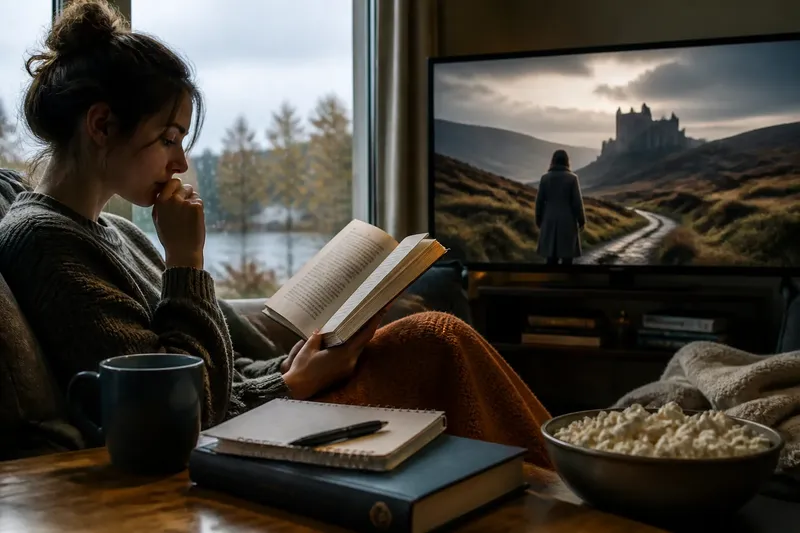
The most common mistake with book first or film first is treating one order as the correct way to experience a story. Choose the novel first and you may recognize the ending before the film reaches it; watch the film first and its images may take over your own. The useful question is not what you lose, but which kind of discovery you want to lead.
What does book first or film first change?
A novel can make you a participant in imagining the story. You decide how a room feels, how a character moves, and what a stretch of silence means. A film makes those choices visible and audible: framing, performance, music, editing, and production design guide your attention.
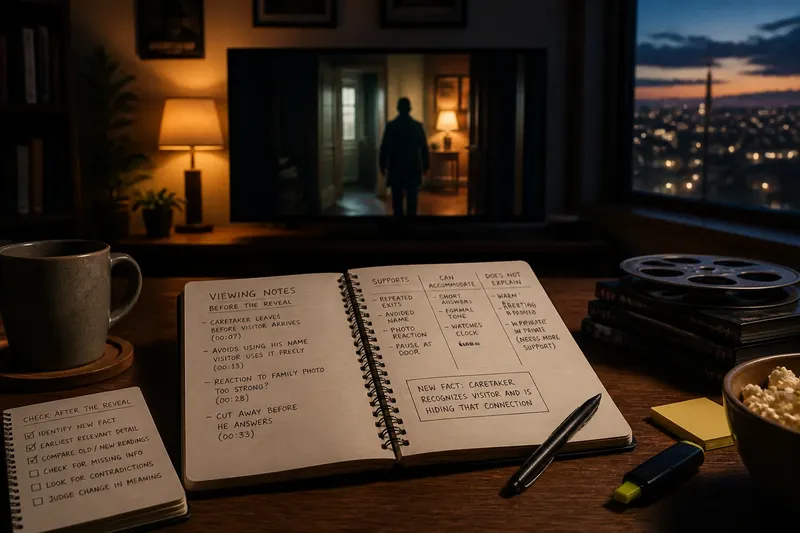
Neither form simply transfers the same experience. An adaptation may rearrange events, omit characters, or alter an ending. Even when the plot remains close, the novel’s interior narration and the film’s images do different work. Reading first gives you more context for comparison; watching first lets the screen version establish its own terms before the source complicates them.
What do you gain by reading the novel first?
Reading first suits viewers who enjoy noticing what an adaptation changes and why. You may arrive at the film already aware of a character’s private doubts, a relationship’s long history, or the reason a small object matters. That knowledge can make a compressed scene feel richer, though it may also make a cut passage conspicuous.
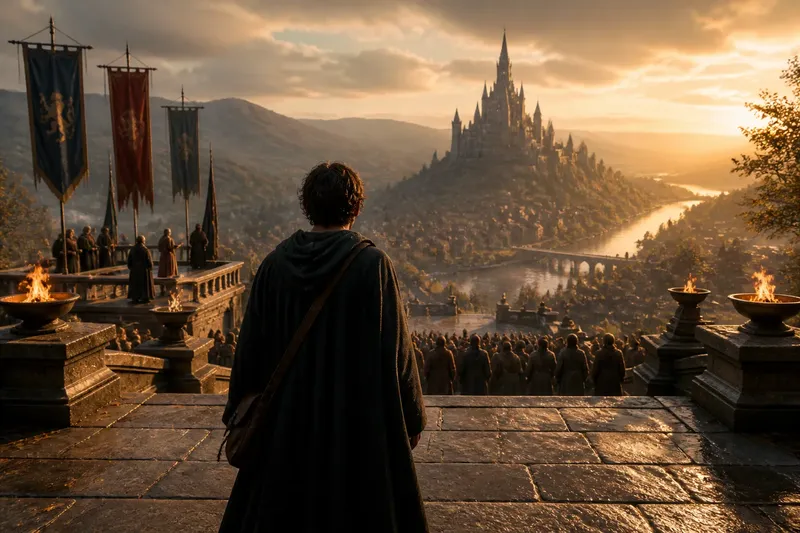
The novel also gives your imagination its first draft. Before an actor’s face or a set’s colors become fixed in your mind, you build your own versions from the prose. A later film can be an interesting challenge to those private pictures rather than a replacement for them.
This order is less appealing if you want every major turn to remain uncertain. Knowing the destination can redirect suspense toward smaller questions: how the film handles a difficult scene, which details it keeps, or whether the performances match your sense of the characters. If those questions sound like part of the fun, prior knowledge is not a drawback.
What do you gain by watching the film first?
Film first suits viewers who want the movie’s surprises to arrive without a mental comparison running alongside them. You can respond to a performance, a sudden change in sound, or a carefully withheld image without already checking it against the novel. Later, the book can expand the story beyond the screen’s chosen emphasis.
Starting with the film can also make a demanding novel easier to enter. You already have a sense of the central relationships, setting, and broad conflict, so unfamiliar names or a slower opening may feel less abstract. The trade-off is that the movie’s casting and visual design may become your default interpretation as you read.
That influence is not automatically a problem. A familiar face can help you picture a character, while a film’s version of a place can give you a useful point of comparison. But if you especially value inventing appearances and settings for yourself, film first may narrow that imaginative space.
Which order suits your viewing habits?
Think about the pleasure you want from the next encounter, not just your general preference for books or movies. These questions can help you choose.
Do you want the plot to surprise you?
Watch the film first if uncertainty about the major turns is central to your enjoyment. If you already know the premise or ending, the novel may still offer surprises in its voice, subplots, and emphasis.
Do you like comparing adaptations with their sources?
Read the novel first if you want to spot changes as they happen. Keep the comparison curious rather than treating every omission as a defect; a film has limited room for the interior and contextual material a novel can develop.
Do you want to form your own pictures of the characters?
Read first if creating faces, spaces, and moods from prose is part of the appeal. Choose film first if a concrete visual introduction helps you settle into the story.
Are you short on patience for a slow start?
Watch first if the film’s brisker introduction may help you approach the novel with a clearer sense of its central conflict. Read first if you are happy to discover the story at the book’s pace before seeing how the adaptation reshapes it.
How can you choose without turning it into a rule?
Use the question that matters most for this particular story. If its twists are the main attraction, consider film first. If its narration, world, or character history is what you want to explore, consider book first. If neither concern dominates, choose whichever version you are more likely to enjoy now.
Say you have a novel with an unfamiliar setting and a movie you can watch with a friend this weekend. You want the film’s turns to remain a surprise, and the unfamiliar place does not worry you. Watching first is a reasonable choice; afterward, the novel can supply details and perspectives the film leaves outside its frame. If instead you are eager to judge how the adaptation handles the book’s narrator, reading first better matches that aim.
There is also no need to finish both versions on a schedule. If the novel is not holding your attention, you can pause it and watch the film, then return later if curiosity remains. The two forms are related, but you do not owe either one a particular order or completion.
What is not worth worrying about?
Do not try to protect every detail from the other version. A broad premise is not the same as knowing a scene’s timing, performance, or visual meaning, and a familiar ending does not erase every smaller discovery. Nor is it useful to rank the book and film by how closely they match: each can succeed through choices the other form cannot make in the same way.
For book first or film first, make the choice that protects the pleasure you care about most: surprise, imaginative freedom, or comparison. Then let the second version be its own encounter. Knowing what came before may change what you notice, but it does not decide what the story can still give you.